
There's nothing quite like the vibrant colors and fresh flavors of a Greek salad to awaken your taste buds! I often find myself craving this delightful dish, especially on those warm summer evenings. The crunch of crisp cucumbers, the juiciness of ripe tomatoes, and the creamy tang of feta cheese come together in a symphony of flavors that transports me straight to a sun-soaked Mediterranean island.
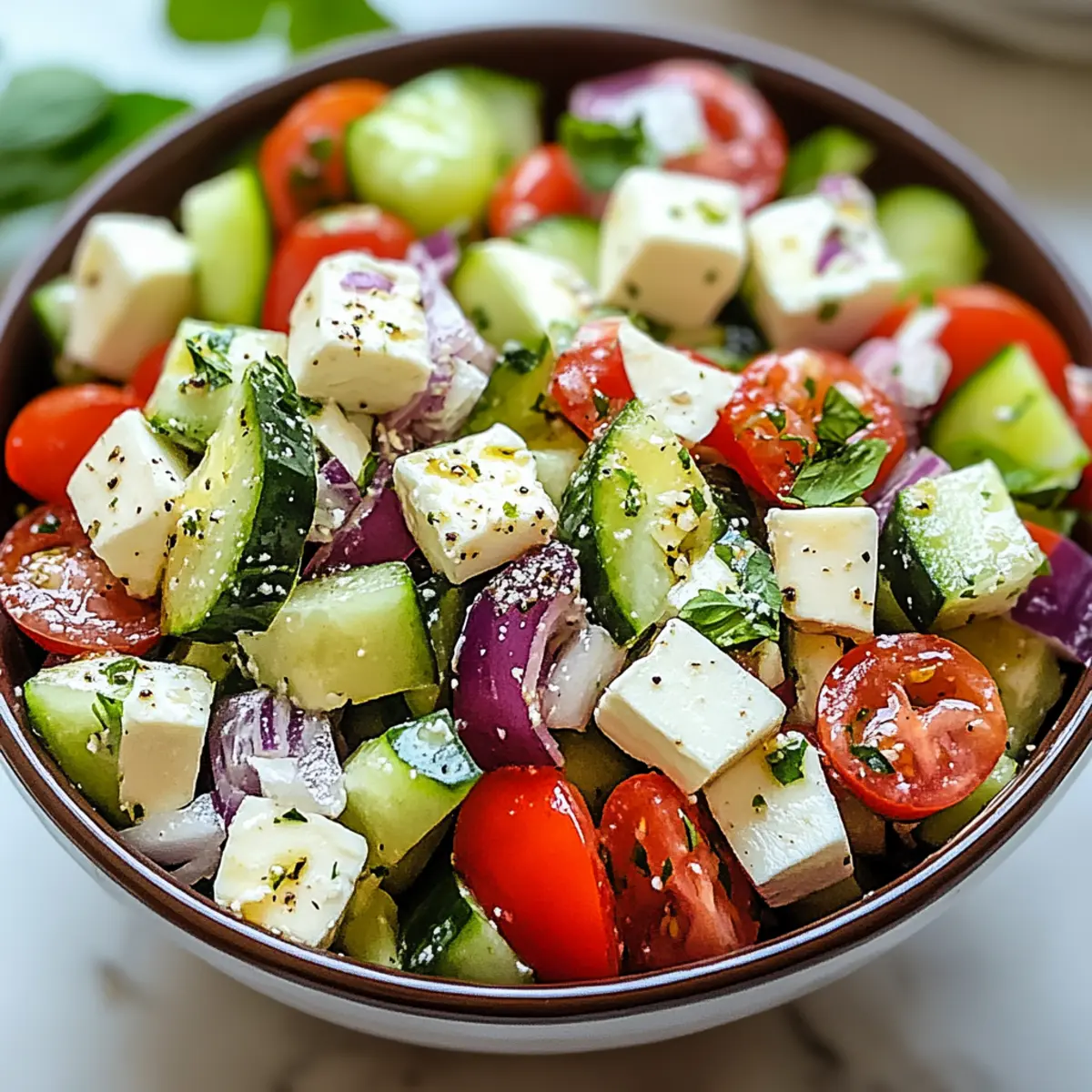
One of my favorite moments with this salad happened at a family gathering; I casually tossed it all together, and it became the star of the potluck! With just 15 minutes of prep time, it’s the perfect solution for anyone tired of repetitive meals or seeking a lighter, healthy option. Plus, it’s not just incredibly tasty — it’s bursting with nutrition and can be easily customized to suit your tastes.
Let's dive into how to create this refreshing Greek salad that promises to bring joy to your table, no matter the occasion!
Why You'll Love This Greek Salad
- This Greek salad is a breeze to prepare, taking only 15 minutes from start to finish.
- The combination of fresh ingredients creates a burst of flavor that is both refreshing and satisfying.
- Its versatility allows you to customize it with your favorite veggies or proteins, making it perfect for any occasion.
- Not only is it visually stunning with its vibrant colors, but it also makes a healthy, nutritious option that everyone will enjoy.
Greek Salad Ingredients
For the Vegetables
• Ripe tomatoes – use juicy, seasonal tomatoes for the best flavor.
• English cucumber – this variety is less watery and has a crisp texture.
• Red onion – slice it thinly for a milder, sweeter taste in your salad.
For the Dressing
• Extra virgin olive oil – opt for high-quality oil for richer taste; it's essential in a Greek salad.
• Fresh lemon juice – freshly squeezed adds brightness and acidity to balance the flavors.
• Dried oregano – this herb brings that classic Mediterranean aroma and taste to your dish.
• Salt and pepper – adjust to your liking to enhance the overall flavor profile.
For the Feta
• Feta cheese – crumble it generously over the salad for that creamy, tangy goodness that defines a great Greek salad.
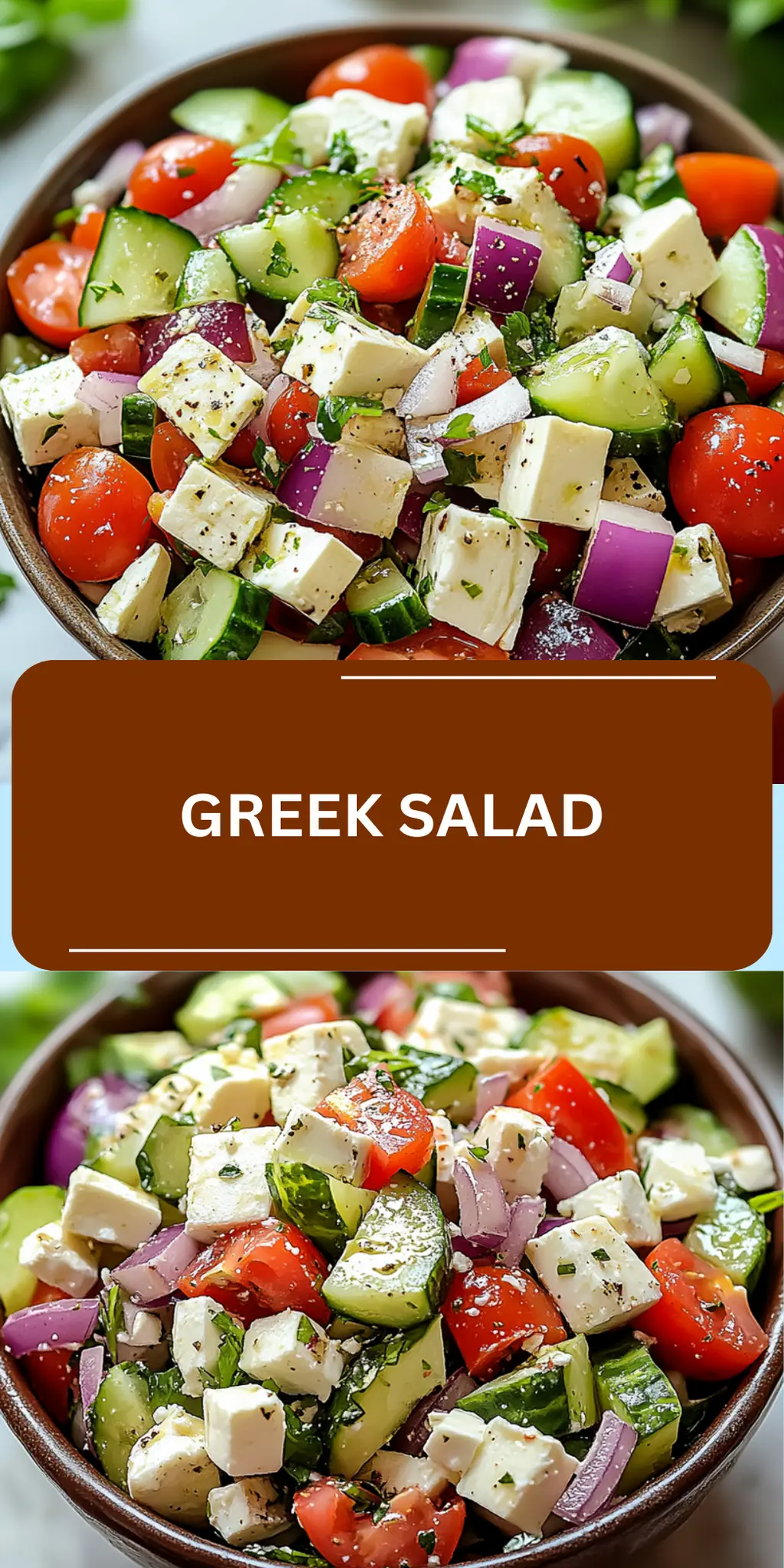
How to Make Greek Salad
-
Wash and Chop: Begin by washing all your vegetables thoroughly. Chop the ripe tomatoes into bite-sized pieces and slice the cucumber and red onion thinly for a delightful crunch.
-
Combine Veggies: In a large bowl, combine the chopped tomatoes, English cucumber, and red onion. The colors should be vibrant and the aroma fresh, creating a beautiful base for your salad.
-
Add Feta: Sprinkle the crumbled feta cheese generously on top of the vegetable mixture. Its creamy texture will contrast perfectly with the crisp veggies, adding that beloved tangy flavor.
-
Mix Dressing: In a separate bowl, whisk together the extra virgin olive oil, freshly squeezed lemon juice, dried oregano, salt, and pepper. This dressing is the heart of your Greek salad — light and zesty!
-
Toss Together: Pour the dressing over the salad and gently toss everything together to combine. Aim for a well-coated mix that invites each flavor to shine through. Taste and adjust the seasoning if needed.
-
Serve Fresh: Enjoy your Greek salad immediately. Alternatively, let it rest for about 10 minutes to enhance the flavors as they merge together beautifully.
Optional: Garnish with a few extra olives or a sprinkle of fresh herbs for added flair.
Exact quantities are listed in the recipe card below.
How to Store and Freeze Greek Salad
Fridge: Keep leftover Greek salad in an airtight container in the fridge for up to 3 days. Be sure to store the dressing separately if you plan to keep it longer.
Freezer: Freezing Greek salad is not recommended, as the textures of the vegetables and feta cheese may suffer once thawed. Freshness is key to this recipe!
Reheating: If you've mixed your Greek salad with the dressing, enjoy it cold. If stored separately, feel free to combine and let it rest for 10 minutes to refresh the flavors before serving.
Room Temperature: Serve Greek salad chilled or at room temperature, but avoid leaving it out for more than 2 hours to ensure food safety.
Greek Salad Variations
Feel free to make this Greek salad your own with these delightful twists that will ignite your culinary creativity!
-
Mediterranean Medley: Add Kalamata olives and capers for a briny burst of flavor that enhances the classic profile of the salad. These ingredients not only deepen the taste but also bring a gorgeous touch of richness.
-
Herby Burst: Swap out dried oregano for fresh herbs like basil, dill, or parsley. Fresh herbs elevate the freshness of the salad and provide that garden-fresh aroma that makes every bite more vibrant.
-
Dairy-Free Delight: Replace feta with crumbled tofu or avocado for a creamy texture without dairy. Both options offer a unique twist while still providing a satisfying mouthfeel to the dish.
-
Protein Power: Toss in grilled chicken, shrimp, or chickpeas to transform this salad into a heartier meal. A protein boost keeps you fuller for longer and adds a delightful contrast to the crisp vegetables.
-
Spicy Kick: Add sliced jalapeños or red pepper flakes for a bit of heat. The warmth from these ingredients beautifully contrasts with the cool, refreshing veggies, creating a balanced flavor experience.
-
Roasted Twist: Incorporate roasted vegetables such as bell peppers or zucchini for a warm, smoky flavor. Roasting caramelizes the veggies, bringing out their natural sweetness and adding depth to your Greek salad.
-
Fruit Fusion: Mix in diced watermelon or peach for a sweet summer twist. The juicy fruit complements the savory elements and adds an unexpected layer of flavor that will surprise and delight!
-
Nutty Crunch: Sprinkle some toasted pine nuts or sunflower seeds over the salad for an irresistible crunch. The added texture brings a satisfying bite that enhances the overall experience.
Make Ahead Options
These Greek Salad preparations are perfect for busy weeknights when you're short on time! You can chop the tomatoes, cucumber, and red onion up to 24 hours in advance. Store the veggies in an airtight container in the refrigerator to keep them fresh and crisp. Additionally, you can prepare the dressing (olive oil, lemon juice, oregano, salt, and pepper) ahead of time and keep it in a separate jar for up to 3 days. Just remember to toss your salad just before serving to prevent the veggies from becoming soggy. With these make-ahead tips, you’ll enjoy a delicious, fresh Greek salad without the hassle on a busy evening!
What to Serve with Greek Salad?
Pairing the refreshing flavors of a Greek salad with the right side dishes can elevate your meal and create a harmonious dining experience.
-
Grilled Lemon Chicken: This juicy and zesty chicken complements the salad's bright flavors, making each bite an extraordinary treat.
Juicy grilled chicken marinated in lemon brings a satisfying protein element that balances the freshness of the salad. -
Pita Bread: Soft and warm, pita is perfect for scooping up that delicious Greek salad and its tangy dressing.
Enjoy it fresh out of the oven to add a comforting touch to your meal while soaking up the flavors. -
Quinoa Tabbouleh: Packed with herbs and vegetables, this light grain salad complements the Greek salad's vibrant taste.
The nutty texture of quinoa provides a wonderful contrast and adds a nutritious boost. -
Hummus with Veggies: A creamy hummus served alongside fresh veggie sticks offers a satisfying crunch to enjoy with your salad.
The smoothness of hummus beautifully contrasts with the vibrant bite of fresh vegetables. -
Roasted Red Peppers: Their sweet and smoky flavor adds an intriguing layer that pairs perfectly with the Greek salad's fresh, tangy notes.
This addition not only enhances the flavor but also adds a lovely pop of color to your plate. -
Tzatziki Sauce: This cool, creamy yogurt sauce is a classic companion to Greek dishes, enhancing the salad with its refreshing taste.
Serve it on the side, and let the rich flavors dance together in every bite. -
Feta-Stuffed Olives: These briny delights bring an extra layer of savory flavor that complements the Greek salad exquisitely.
Each bite offers a comforting burst of richness that plays beautifully off the freshness of the salad. -
Chilled White Wine: A glass of crisp, chilled Sauvignon Blanc or a light Greek wine can elevate your meal.
The acidity and fruitiness of the wine pairs well with the salad's flavors, adding a refreshing finish to each sip.
Chef's Helpful Tips
- For the perfect Greek Salad, always choose ripe, seasonal tomatoes as they provide the best flavor and juiciness.
- When slicing the cucumber and red onion, aim for thin slices to allow their flavors to mingle seamlessly in the salad.
- To elevate your dressing, use high-quality extra virgin olive oil and freshly squeezed lemon juice for a brighter taste that will enhance the overall dish.
- Allow the salad to rest for about 10 minutes before serving to let the flavors meld together for a more delicious experience.
Greek Salad Recipe FAQs
What kind of tomatoes should I use for Greek salad?
Absolutely! For the best flavor, use ripe, juicy, seasonal tomatoes. Look for tomatoes that are vibrant in color and slightly soft to the touch, as these are the ripest and most flavorful options. Avoid tomatoes with dark spots or wrinkles, as they may be past their prime.
How can I store leftover Greek salad?
You can store your leftover Greek salad in an airtight container in the fridge for up to 3 days. This will keep the ingredients fresh and prevent them from wilting. If you find the salad a bit soggy after storage, you can drain off excess liquid before serving!
Can I freeze Greek salad?
It's best not to freeze Greek salad. The vegetables will lose their crunchy texture and become mushy when thawed, which can significantly alter the quality. Instead, enjoy it fresh and save any leftovers for the next day!
What should I do if my salad dressing is too oily or too tangy?
If your dressing is too oily, try adding a little more lemon juice to brighten and balance it out. Conversely, if it’s too tangy, adding a touch more olive oil or a pinch of sugar can help mellow the acidity. Remember to whisk well after adjusting to ensure a smooth consistency.
Is it safe for pets, and are there common allergens in Greek salad?
While Greek salad is generally safe for pets in small amounts, the feta cheese may not be suitable due to lactose intolerance in some animals. As for allergens, be mindful of those who are sensitive to dairy, as feta is a dairy product. Always check with guests about allergies or dietary restrictions before serving!
How can I customize my Greek salad with different ingredients?
Very! Feel free to mix and match based on your preferences. You can add olives for a briny kick, bell peppers for crunch, or even grilled chicken or chickpeas for added protein. The more the merrier; just remember to maintain the balance of flavors with your dressing!
Greek Salad
Ingredients
Equipment
Method
- Wash and chop all vegetables thoroughly. Chop tomatoes into bite-sized pieces and slice cucumber and red onion thinly.
- In a large bowl, combine chopped tomatoes, cucumber, and red onion.
- Sprinkle crumbled feta cheese on top of the vegetable mixture.
- In a separate bowl, whisk together olive oil, lemon juice, oregano, salt, and pepper.
- Pour the dressing over the salad and gently toss everything together.
- Serve immediately or let it rest for 10 minutes before serving.


Leave a Reply