
Aioli sauce recipe brings a comforting richness to your meals. The aroma of fresh garlic combines beautifully with the creamy texture, making it a delightful addition to any dish.
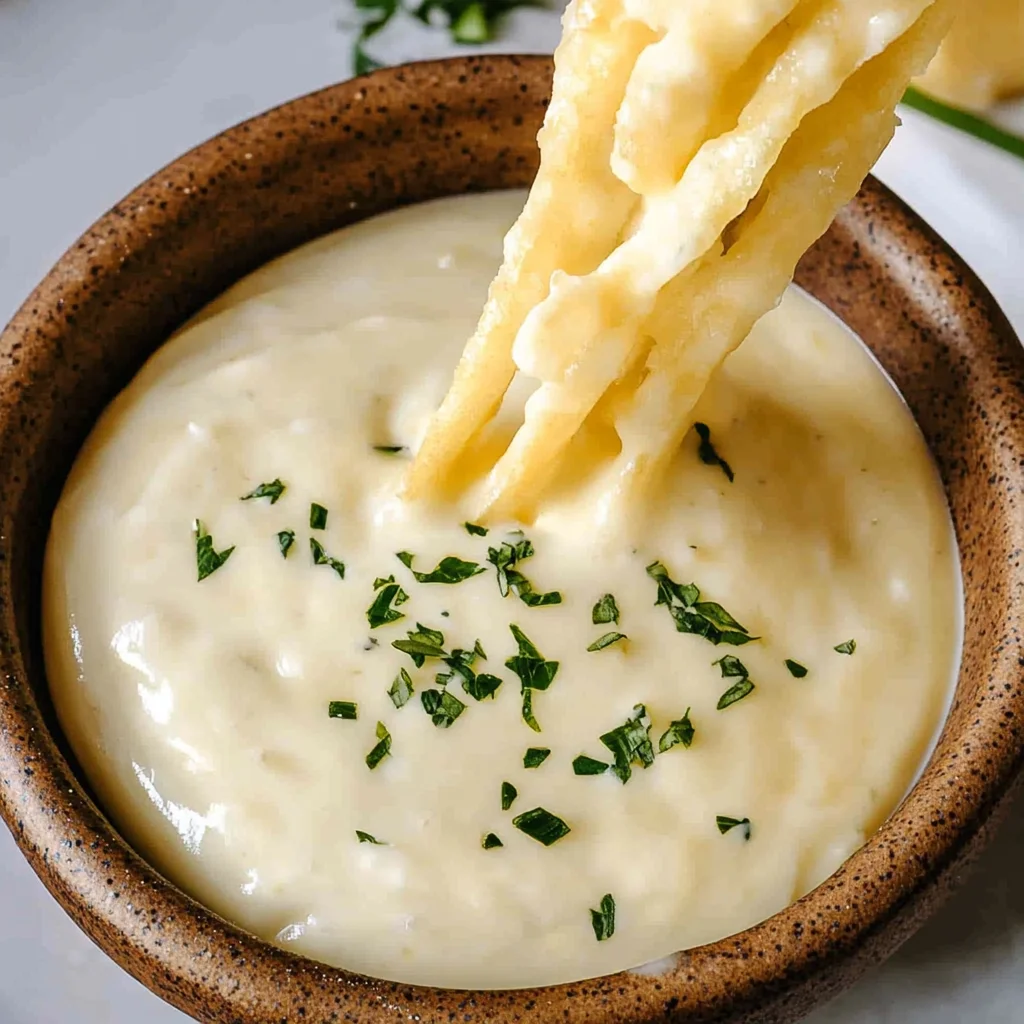
You’ll find this recipe straightforward and flexible. Don’t worry if it doesn’t turn out perfectly; just adjust the seasonings to suit your taste.
Why This Recipe Works
This aioli sauce recipe is successful due to the careful balance of ingredients and the technique of slowly incorporating olive oil. The emulsification created by whisking the egg yolk and Dijon mustard ensures a creamy texture, while fresh garlic and lemon juice provide a delightful flavor without overpowering the sauce. Now that you know why it works, let's explore some serving suggestions.
The One Thing That Makes It Work
- The key to a successful aioli sauce recipe lies in the slow incorporation of high-quality olive oil while whisking continuously.
- This technique creates a stable emulsion, resulting in a creamy and rich sauce that perfectly balances the bold flavors of garlic and lemon.
Now that you understand the importance of technique, let’s explore each step in detail for perfecting your aioli sauce.
Essential Ingredients
To create a delicious aioli sauce, gather the following essential ingredients that will enhance its flavor and texture.
- 2 cloves garlic: Finely mince or press to release maximum flavor; fresh garlic is key for authentic taste.
- 1 large egg yolk: Ensure it’s at room temperature for better emulsification with the oil.
- 1 tablespoon Dijon mustard: This adds depth of flavor and helps stabilize the sauce during preparation.
- 1 cup extra virgin olive oil: Use high-quality oil for the best taste; it's the main ingredient in aioli.
- 1 tablespoon lemon juice: Freshly squeezed lemon juice brightens the aioli and aids in emulsifying.
- ½ teaspoon salt: Adjust to taste; salt enhances all other flavors in the sauce.
- ¼ teaspoon black pepper: Freshly ground pepper adds a subtle heat and complexity to the flavor profile.
The full ingredients list, including measurements, is provided in the recipe card directly below.
Do This, Not That
- Using fresh garlic will bring out the best flavor in your aioli sauce recipe, while opting for pre-minced garlic can dull the taste.
- Choose high-quality extra virgin olive oil for a rich, robust flavor; using lower-quality oil may lead to a disappointing sauce.
- Finally, always use freshly squeezed lemon juice instead of bottled to ensure vibrant acidity that enhances the overall taste.
With these tips in mind, let’s move on to the detailed preparation steps for making your aioli sauce.
Step-by-Step Method
Start by peeling the garlic cloves and finely mincing or pressing them. The goal is to release the oils and strong aroma, which will form the flavorful base of your aioli sauce.
Next, take a mixing bowl and combine the large egg yolk with the Dijon mustard. Whisk them together until they are fully blended. This mixture will help emulsify the ingredients, giving your aioli a creamy texture.
Now, add the minced garlic, freshly squeezed lemon juice, salt, and black pepper into the bowl. Whisk everything together until well combined; you’ll notice a bright and zesty aroma as you mix.
Slowly drizzle in the extra virgin olive oil while continuously whisking. Start with just a few drops before gradually increasing to a thin stream as the mixture thickens. It should become smooth and creamy.
Once all the oil is incorporated, taste your aioli sauce and adjust the seasoning if needed. You can add more salt, lemon juice, or pepper to match your preferences perfectly.
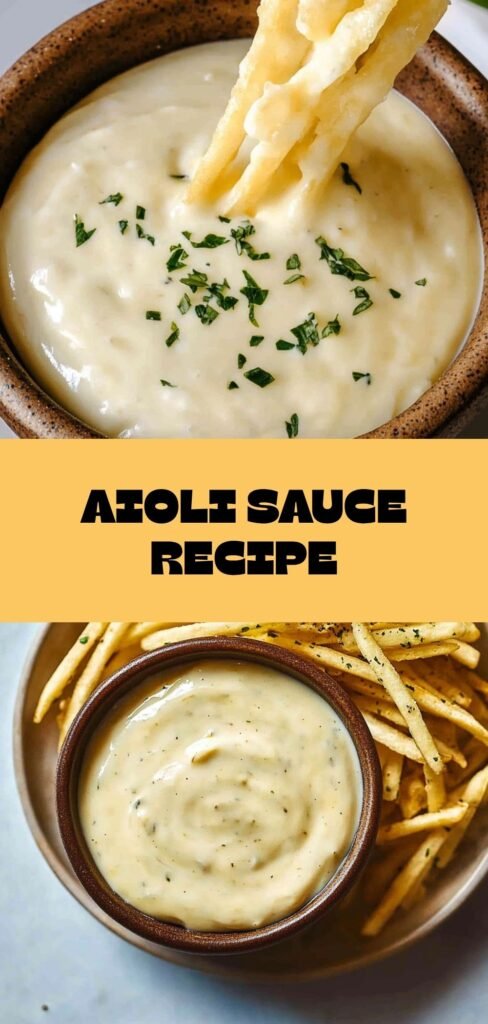
Finally, transfer the aioli to a serving bowl. It's ready to be enjoyed as a dip for fresh vegetables or a spread for sandwiches alongside grilled meats. Now that you've mastered this aioli sauce recipe, you can easily explore pairing ideas to enhance your meals even further.
Troubleshooting (If Something Goes Wrong)
If your aioli sauce appears too thin, try whisking in a bit more olive oil slowly to help thicken it. Should the emulsion break, simply add an additional egg yolk to a clean bowl and gradually incorporate the broken mixture while whisking. Remember, mistakes are part of the process, and with a few adjustments, you can achieve that creamy consistency. Now that your aioli is ready, let's explore some delicious serving suggestions!
Variations You’ll Actually Want to Try
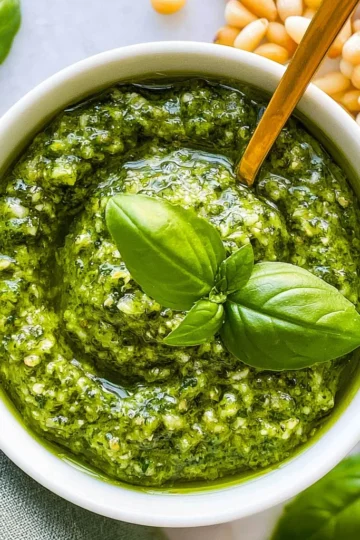
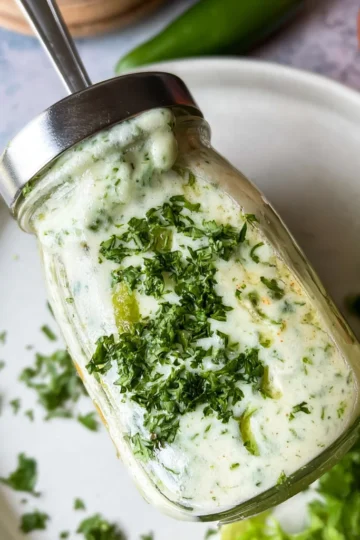
Feel free to experiment with your aioli sauce recipe by adding fresh herbs like basil or parsley for a vibrant twist. For a smoky flavor, incorporate a pinch of smoked paprika. If you enjoy a bit of heat, try mixing in some sriracha or finely chopped jalapeños. These simple adjustments can elevate your aioli while keeping it easy and enjoyable. Now, let’s move on to serving suggestions that will complement your aioli perfectly.
Pick Your Flavor Path
- For a spicy twist, add a pinch of cayenne pepper or a dash of hot sauce to the aioli.
- To bring in a fresh note, incorporate some finely chopped herbs like parsley or basil right after mixing in the garlic.
- For a cheesy flavor, mix in a tablespoon of grated Parmesan cheese before adding the olive oil.
Now that you have your aioli sauce recipe perfected, let's explore some delicious ways to serve it.
FAQ
Can I make aioli sauce recipe ahead of time?
Yes, you can prepare aioli up to 24 hours in advance and store it in the refrigerator.
What can I substitute for the egg yolk in the aioli sauce recipe?
You can use a tablespoon of mayonnaise as a convenient egg yolk substitute for a similar texture.
How should I store leftover aioli sauce?
Store leftover aioli in an airtight container in the refrigerator for up to one week.
As you prepare your aioli, consider how to enhance its serving options for various dishes.
Classic Aioli Sauce
Ingredients
Method
- Peel and finely mince or press the garlic cloves using a garlic press. This step is crucial as it releases the oils and flavor from the garlic, which is the base of the aioli.
- In a mixing bowl, combine the egg yolk and Dijon mustard. Whisk them together until fully blended. This mixture acts as an emulsifier, helping to combine the oil and egg yolk into a creamy sauce.
- Add the minced garlic, lemon juice, salt, and black pepper to the egg yolk mixture. Whisk until well combined. The lemon juice not only adds flavor but also helps to stabilize the emulsion.
- While continuously whisking, slowly drizzle in the olive oil. Start with just a few drops at a time, gradually increasing to a thin stream as the mixture begins to thicken. This slow incorporation is key to creating a stable emulsion.
- Continue whisking until all the oil is incorporated and the aioli is thick and creamy. If you prefer a smoother texture, you can transfer the mixture to a food processor and blend until desired consistency is reached.
- Taste the aioli and adjust seasoning if necessary, adding more salt, lemon juice, or pepper to suit your preference.
- Transfer the aioli to a serving bowl and enjoy it as a dip for vegetables, a spread for sandwiches, or a sauce for grilled meats.


Leave a Reply